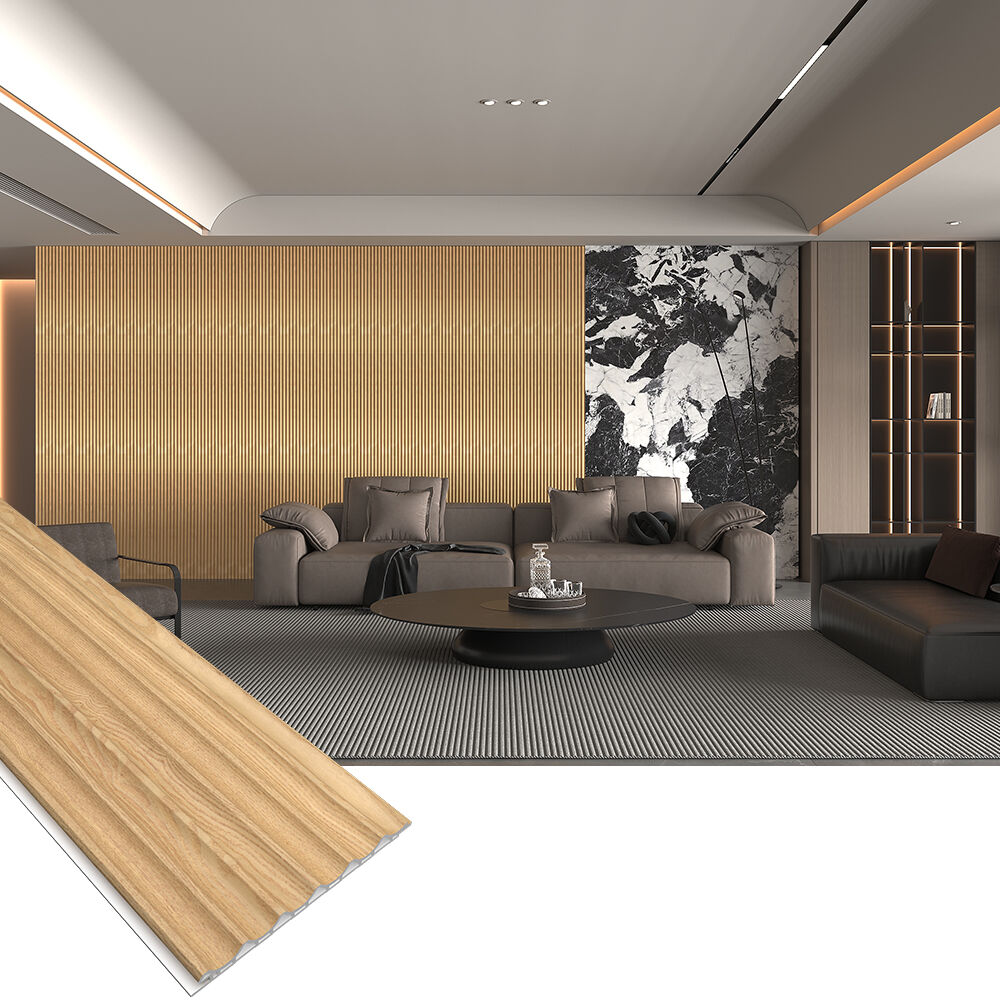
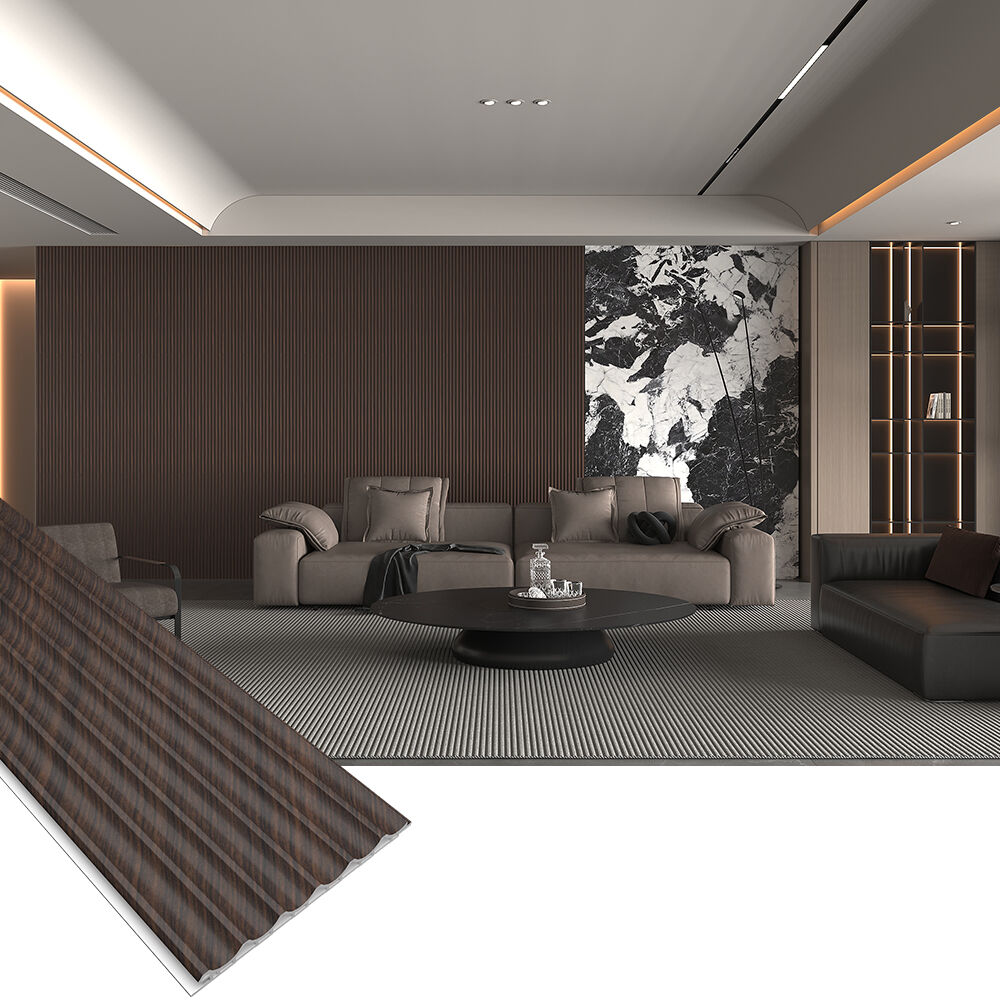
Beyond Standard Cladding: The Critical Role of Heat-Resistant PVC Panels in Modern Construction
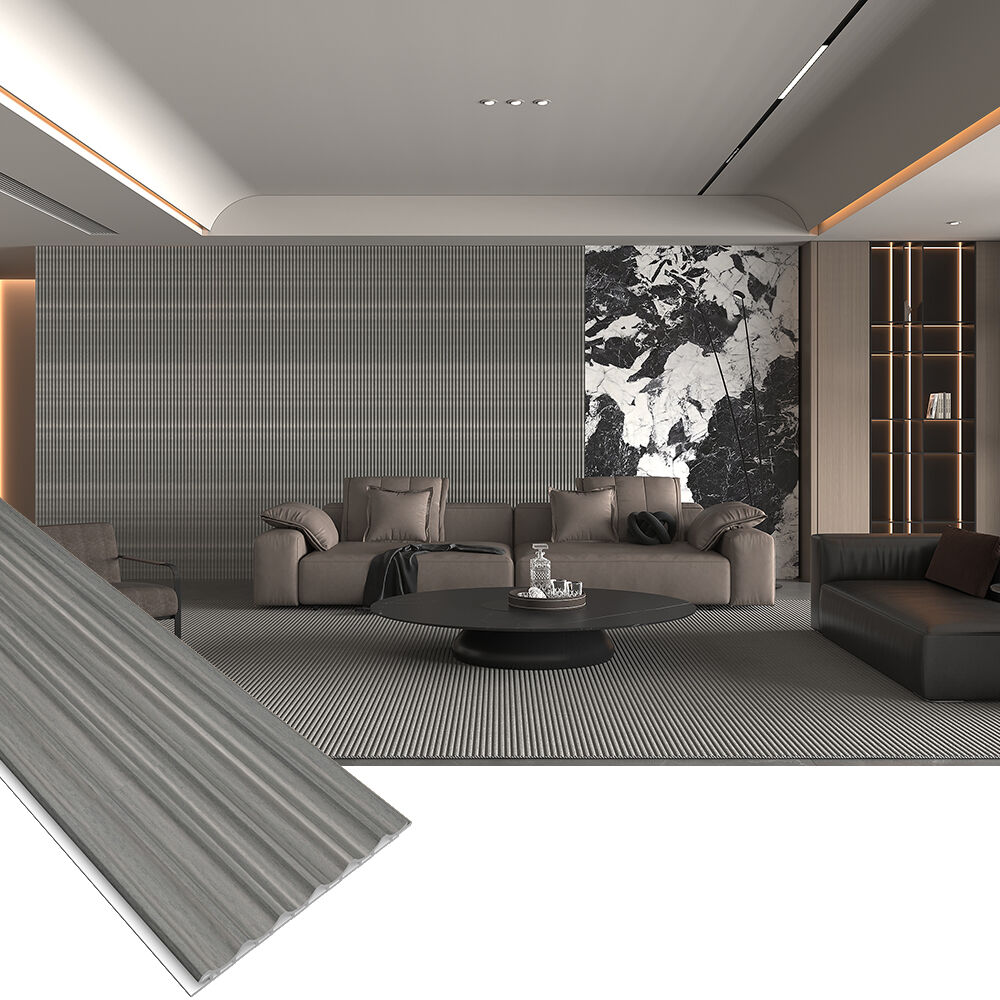
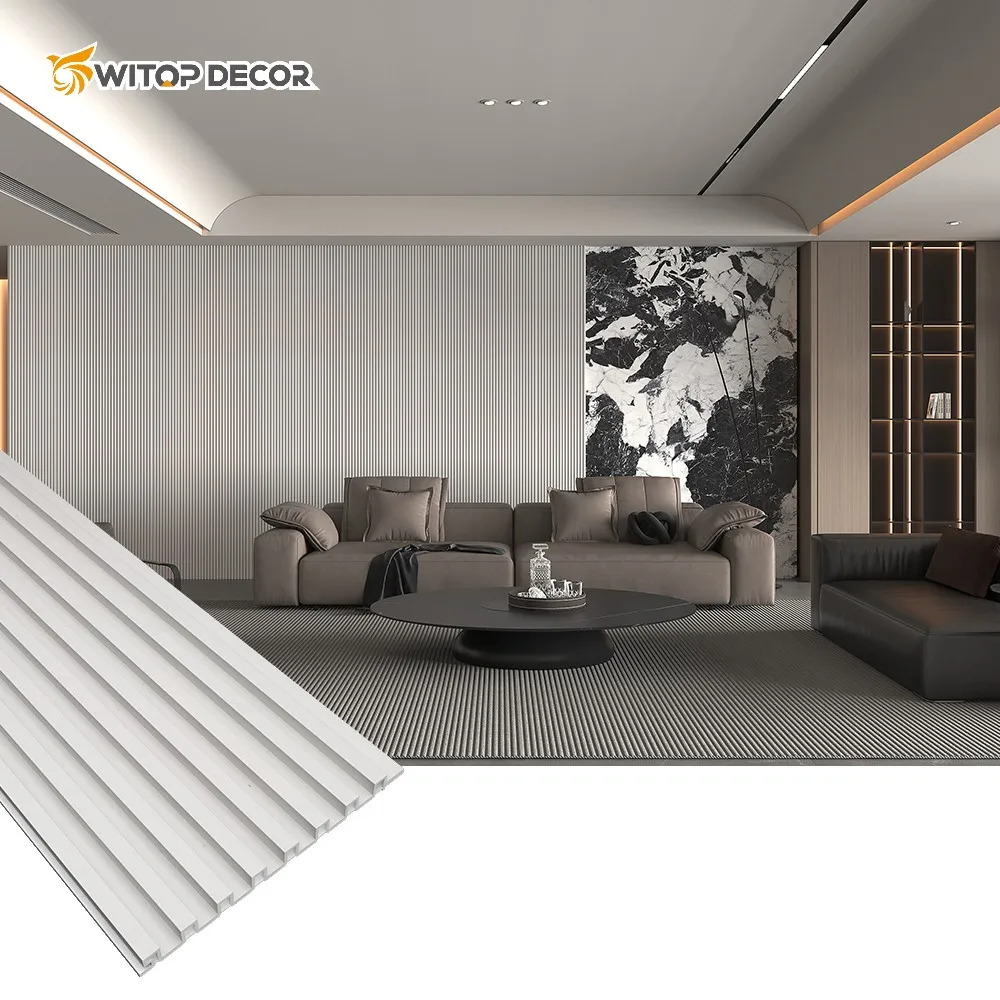
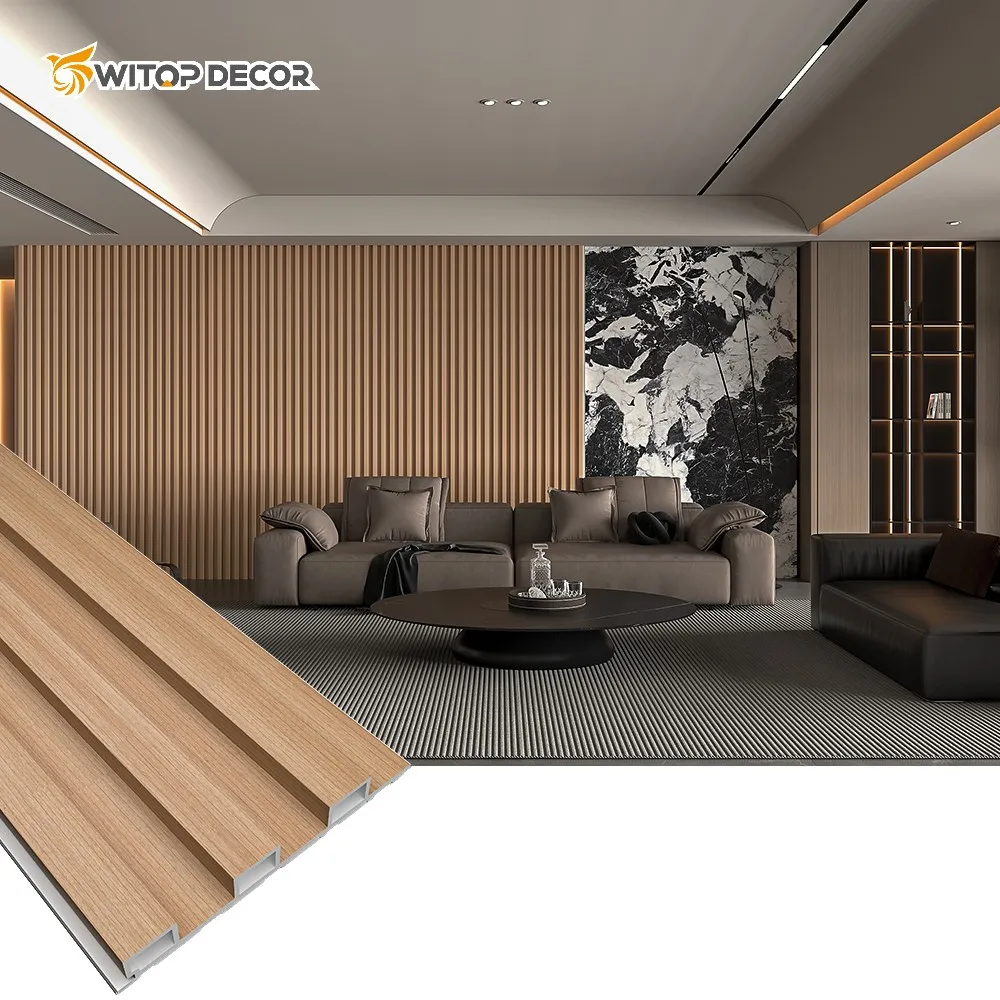
In contemporary architecture and interior design, specifying materials that align with both aesthetic vision and rigorous safety standards is non-negotiable. PVC Panels Heat Resistant Type represent a sophisticated category of building cladding designed to address specific environmental challenges that standard decorative panels cannot. These panels are not merely a variant but a purpose-engineered solution, integrating advanced polymer science to meet the demands of applications where thermal exposure is a key concern.
The fundamental science behind heat-resistant PVC involves the integration of specific stabilizers, flame retardants, and modifiers during the compounding phase. These additives work synergistically to raise the material's thermal degradation threshold and improve its flame retardant properties. A critical metric is the Limiting Oxygen Index (LOI); a higher LOI indicates a material that is more difficult to ignite and sustain combustion. Quality heat-resistant PVC panels are formulated to achieve a high LOI, often meeting international standards such as UL94, B-s1,d0 under EN 13501-1, or other regional fire classification systems. This technical backbone is what transforms them from a simple decorative surface into a contributing element of a building's passive fire protection strategy.
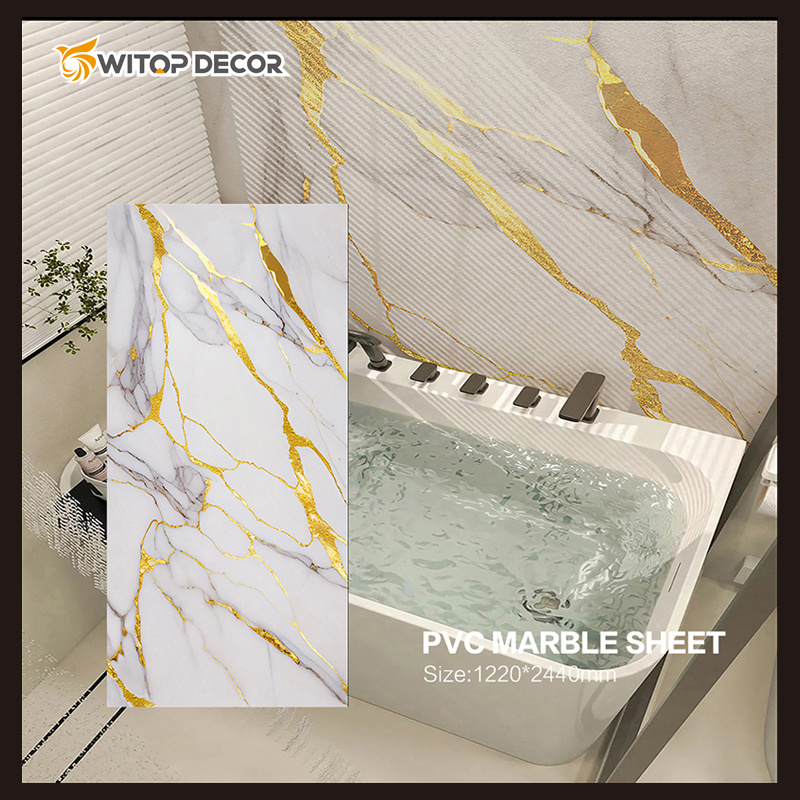
The practical applications are extensive and logically follow from this enhanced performance profile. In residential settings, the most prominent use is in kitchens. As a backsplash behind stoves and countertops, these panels resist heat from cooking appliances, prevent staining from steam and oil splatter, and provide a seamless, easy-to-clean surface that maintains its color and texture. In bathrooms, they offer superior resistance to steam and the occasional heat from styling tools. For commercial and public projects, their value multiplies. They are ideal for restaurant kitchens, hotel laundry areas, elevator lobbies, corridor cladding, and other spaces where building codes mandate improved fire-rated materials. Their low thermal conductivity also offers a minor but valuable insulating benefit.
A significant advantage lies in the installation and lifecycle efficiency. Like standard PVC panels, they feature user-friendly interlocking systems for quick, dry installation over various substrates, minimizing renovation downtime. Their durability translates to near-zero maintenance—no sealing, painting, or special treatments are required. When considering total cost of ownership, the long-term savings from avoided repairs or replacements due to heat damage, coupled with the reduced labor for installation and upkeep, present a compelling economic argument alongside the clear safety benefits.
At Shandong Witop, our role is to bridge this technical performance with real-world project execution. Our integrated manufacturing allows for precise control over the formulation to ensure consistent batch-to-batch quality. As a one-stop supplier, we provide the holistic support needed for these specialized products: from initial consultation on fire-rating requirements and providing test reports, to creating installation drawings that account for expansion details, and finally ensuring smooth logistics to sites worldwide. We empower contractors, architects, and developers to confidently specify a material that delivers safety, beauty, and practicality in equal measure.
 EN
EN