 EN
EN

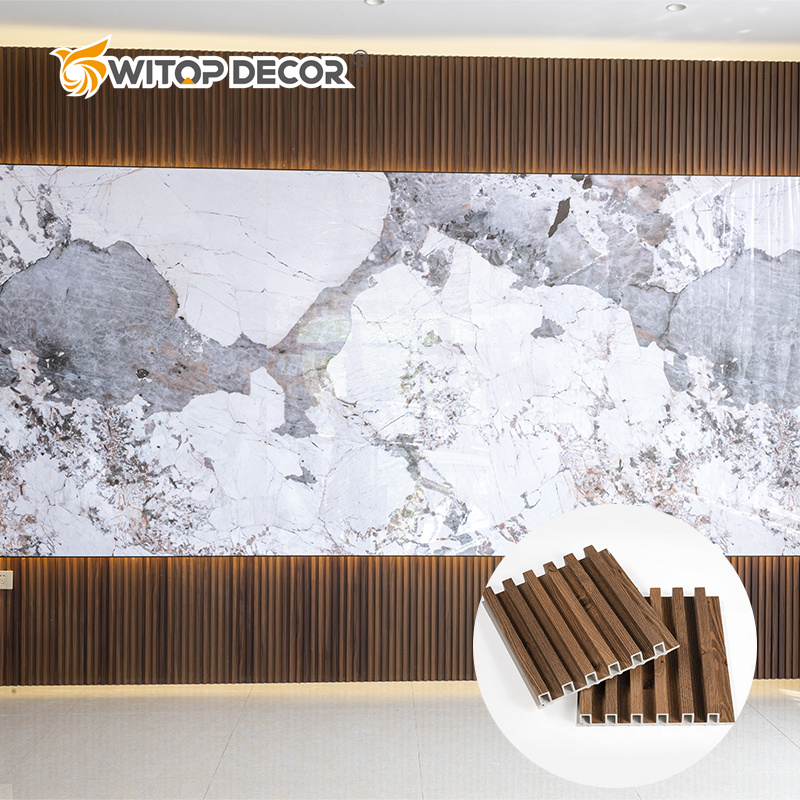
As a leading one-stop building materials supplier from China, Shandong Witop Decoration Materials Co., Ltd. is a premier source for innovative wall decoration panels worldwide. A critical question we frequently encounter from our diverse global clientele, particularly in tropical, humid, or termite-prone regions, is: "Can WPC wall panels resist insect damage?" This is a paramount concern for homeowners, architects, and project developers seeking durable, low-maintenance solutions.
The resounding answer is: Yes, high-quality Wood-Plastic Composite (WPC) wall panels are engineered to offer exceptional resistance to insect damage and infestation. This inherent durability is a core reason for their surging popularity across continents. This article delves into the science behind this resistance, compares it to traditional materials, and provides essential guidance for global specification and application.
Understanding the Composition: Why Insects Avoid WPC
The insect resistance of WPC panels stems from their unique hybrid composition, typically 30-70% wood flour/fibers and 30-70% thermoplastics (like PE, PP, PVC), combined with specialized additives.
1.Lack of Nutritional Value: Termites and wood-boring insects (like powderpost beetles) are attracted to cellulose, the primary food source in natural wood. While WPC materials contain wood fibers, these are fully encapsulated within a plastic matrix. This encapsulation makes the cellulose inaccessible and indigestible to pests, removing the core attractant.
2.Inhospitable Physical Structure: The dense, non-porous composite structure of a WPC wall panel lacks the natural capillaries, pores, and moisture content that insects seek for nesting, tunneling, and hydration. It simply does not provide a viable habitat.
3.Role of Additives: During manufacturing, process aids, coupling agents, and stabilizers are used. More importantly, premium WPC panels often include insect-repellent additives or fungicides at the compounding stage, creating an additional chemical barrier against termites, ants, and other pests.
Comparative Analysis: WPC vs. Traditional Wall Materials
1.Natural Wood & Plywood: Highly susceptible. They provide food, moisture, and habitat for insects, requiring constant chemical treatment and maintenance.
2.Medium-Density Fiberboard (MDF)/Particleboard: Vulnerable to moisture and, subsequently, to insects that thrive in damp conditions.
3.PVC or Vinyl Panels: Excellent insect resistance due to being 100% synthetic, but may lack the aesthetic warmth and rigidity of WPC wall panels.
4.WPC Wall Panels: Positioned uniquely. They offer the realistic aesthetic of wood with vastly superior insect damage resistance and moisture resistance compared to organic materials, without the cold feel of pure plastic.
Factors Influencing the Insect Resistance of WPC Panels
Not all WPC materials are created equal. Their performance depends on:
1.Material Quality & Formula: The ratio of plastic to wood fiber is crucial. Higher plastic content generally enhances durability and pest resistance. Our WPC panels use optimized formulas for maximum performance.
2.Manufacturing Process: Proper extrusion ensures complete encapsulation of wood fibers, leaving no weak points. As a supplier with over 20 factories, we control this process rigorously.
3.Additive Packages: The inclusion of specific anti-termite/anti-fungal agents. Inquire about this with your supplier.
4.Surface Integrity: A high-quality, co-extruded cap layer (available on premium panels) provides a seamless, solid barrier against any external threats.
Global Application Considerations for Insect-Prone Regions
Our experience exporting to over 100 countries informs these insights:
1.Tropical & Subtropical Climates (Southeast Asia, Africa, South America): Here, termite pressure is extreme. WPC wall panels are an ideal solution for both indoor and outdoor wall applications, from residential villas to resort hotels, eliminating a major maintenance headache.
2.High-Humidity Coastal Areas (Mediterranean, Caribbean, Coastal Americas): Resistance to moisture-driven insect infestations (like certain beetles) is key. WPC's low water absorption is a critical advantage.
3.Temperate Regions with Localized Infestations (Parts of North America, Europe, Australia): Using WPC panels provides proactive protection and peace of mind, especially for home decoration in basements, bathrooms, or kitchens where moisture may attract pests.
4.Cultural Preferences for Wood Aesthetics: In regions like North America and Europe, where wood aesthetics are prized but maintenance is disliked, WPC wall panels offer a perfect compromise—beauty without the vulnerability.
Limitations and Best Practices for Maximum Durability
While highly resistant, no material is absolutely "proof" under all conditions. Adhering to best practices is essential:
1.Installation is Key: Ensure panels are installed correctly with our online installation guidance. Proper sealing of joints and edges prevents moisture accumulation in wall cavities, which could attract insects to other structural elements.
2.Regular Cleaning: Simple cleaning prevents organic debris (dirt, leaves) from accumulating, which might theoretically attract insects to the surface, though not to the panel itself.
3.Address Major Infestations at the Source: If a structure has a severe active termite colony, it must be treated professionally. WPC panels protect themselves but are not a structural termiticide for the building.
4.Choose a Reputable Supplier: Ensure your panels are certified and tested. Look for standards related to termite resistance (e.g., ASTM, EN standards).
Our Services: Ensuring Confidence in Your Project
At Witop, we don't just supply materials; we provide solutions backed by comprehensive services:
1.Free Samples: Test the density, finish, and quality of our insect-resistant WPC panels firsthand.
2.Drawing Effect Design: Visualize how our panels will look in your specific project before committing.
3.Product Production Progress Tracking: Stay informed on the manufacturing of your order, ensuring formula and quality consistency.
4.Quality Assurance Policy: We stand behind the performance of our products, giving you confidence in their long-term durability.
Conclusion: A Smart, Durable Investment for Global Projects
In conclusion, WPC wall panels represent a significant advancement in building material technology, offering robust resistance to insect damage. This makes them a supremely practical and reliable choice for wall decoration in virtually any climate or region, particularly where pests pose a constant threat to traditional wood.
By choosing high-quality WPC panels from a trusted supplier like Shandong Witop, you are not only selecting an aesthetically versatile product for home decoration and tooling projects but also investing in long-term peace of mind. You gain a low-maintenance wall solution that will retain its beauty and structural integrity for years, free from the worries of insect infestation.
For your next project—whether a seaside hotel, a suburban home, or an urban office—consider the proven durability and insect damage resistance of WPC technology. Contact our team today to explore how our WPC wall panels can provide a beautiful, lasting, and worry-free solution for your specific needs and location.
Table of Contents
- Understanding the Composition: Why Insects Avoid WPC
- Comparative Analysis: WPC vs. Traditional Wall Materials
- Factors Influencing the Insect Resistance of WPC Panels
- Global Application Considerations for Insect-Prone Regions
- Limitations and Best Practices for Maximum Durability
- Our Services: Ensuring Confidence in Your Project
- Conclusion: A Smart, Durable Investment for Global Projects